A small studio delivering commercial-grade software, accelerated by AI and grounded in fifty years of taste.
We take on projects that a traditional agency would staff with ten people and a six-month timeline — and deliver them with a team of five in weeks. Not by cutting corners. By cutting the handoffs.
We take on the full arc of a product — or a focused slice if that's what you need. Engagements typically run four to sixteen weeks.
AI can generate code at a phenomenal rate. It cannot tell you which code is worth generating. That's what fifty years of scars and good instincts are for. Every shortcut is our shortcut — never the client's surprise.
We work in one-week increments with something demonstrable at the end of each. No two-month "discovery phase." No ambiguous middle. Momentum is the product.
Tests, types, reviews, evals — not a stage at the end of the line but a thread through every commit. AI helps us move fast; rigor is what lets us keep moving.
Over a decade of working side by side has produced something most engagements lack: genuine shared context. Every project gets both of us — architecture and product judgment in the same room, from kickoff through delivery. That continuity reduces handoff risk, accelerates decisions, and reduces execution variance.

Engineering leader with a long record of designing scalable systems, growing high-output teams, and shipping commercial software under real constraints. His work anchors the technical foundation of every engagement — pragmatic architecture, engineering standards, and the kind of rigour that holds under production load.
LinkedIn →
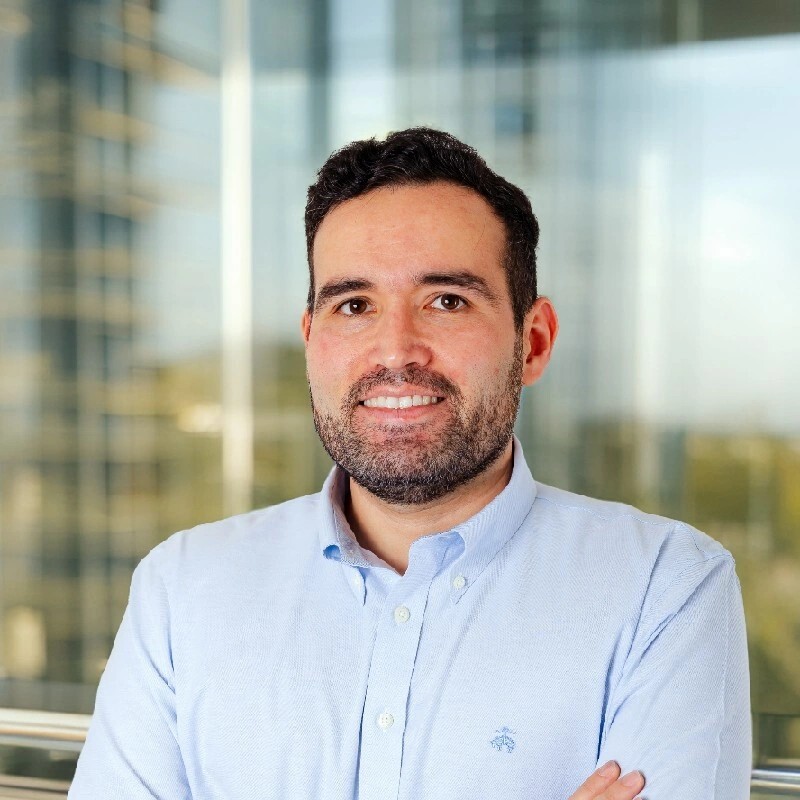
Principal engineer with a delivery record across healthcare, automotive, and distributed global teams. Specialises in scope clarity and execution speed — converting ambiguous briefs into production-ready software without losing the product intent along the way. Builder first, strategist when it counts.
LinkedIn →You don't need a spec. A URL, a rough idea, or a competitor link is enough to start. We review every submission personally and come back with honest fit, scope thinking, and concrete next steps.
Early-stage ideas welcome. Incomplete specs are fine. We're used to working from ambiguity — that's often where the most useful work begins.